Custom baby toys
Make the idea specific.
Use a reference, play action, material direction and market to define what should be explored first.
OEM / ODM · private label
Share the idea, market and pack direction. We will help you understand the next decision before you commit to a full development path.
Direct answer
Start with the target category, age band, reference image or sketch, estimated quantity, destination market, sales channel and packaging direction. An importer, retailer or distributor should also state logo use, language, labeling, material preference, target price position, desired timing and whether the idea is a color change, functional adjustment, private-label pack or original development. This information lets the team separate a feasible development question from a detail that still needs confirmation. Ask for sample steps, tooling assumptions, MOQ, FOB basis, production lead time and the test-document discussion for the approved design. Keep artwork, specification, sample feedback and QC checkpoints in one written record before approval. OEM and ODM are project paths, not a guarantee of tooling, certification, inventory or a fixed result. Use the factory and wholesale pages to prepare the commercial brief, then send the reference and market context through the inquiry form for a product-specific review.
OEM / ODM
From a logo-ready pack to a new shape direction, start with the information needed to assess the idea clearly.

Custom baby toys
Use a reference, play action, material direction and market to define what should be explored first.
Private label
Bring brand, language, labeling and retail-channel requirements into the conversation before approval.
Range planning
Plan a consistent color, pack and category story across selected SKUs without forcing every product into one mold.
Browse categories · Review factory workflow · Send an OEM request
Content record
Content owner: Baby Play Factory sourcing team · Last reviewed: 2026-08-03
How this page was prepared: approved product records, the published network evidence manifest and the buyer questions shown here. Network, project and process references are labelled by scope; MOQ, timing, documents, testing and suitability remain specific to the approved SKU and destination market.
Why it exists: to help importers, retailers and distributors make a traceable sourcing decision before requesting a written quotation.
OEM / ODM evidence
The service references below are starting points. Feasibility, tooling, packaging, testing and timing are confirmed for each project.
Development path
The documented service path includes customer-supplied references, private-label production, color changes, functional adjustments and original product development.
Scope: service · Confirm by SKU and destination market.Sample reference
the network profile describes a typical sample window of 7–15 days; custom tooling, materials and approvals can change the timing.
Scope: project-reference · Confirm by SKU and destination market.Lead-time reference
The network profile lists 25–35 days as a reference after the project is defined; timing is confirmed after the approved sample, packaging and order plan.
Scope: project-reference · Confirm by SKU and destination market.MOQ reference
The network profile uses 480 units as a starting reference; final MOQ changes by SKU, material, color, packaging and production plan.
Scope: project-reference · Confirm by SKU and destination market.OEM / ODM context
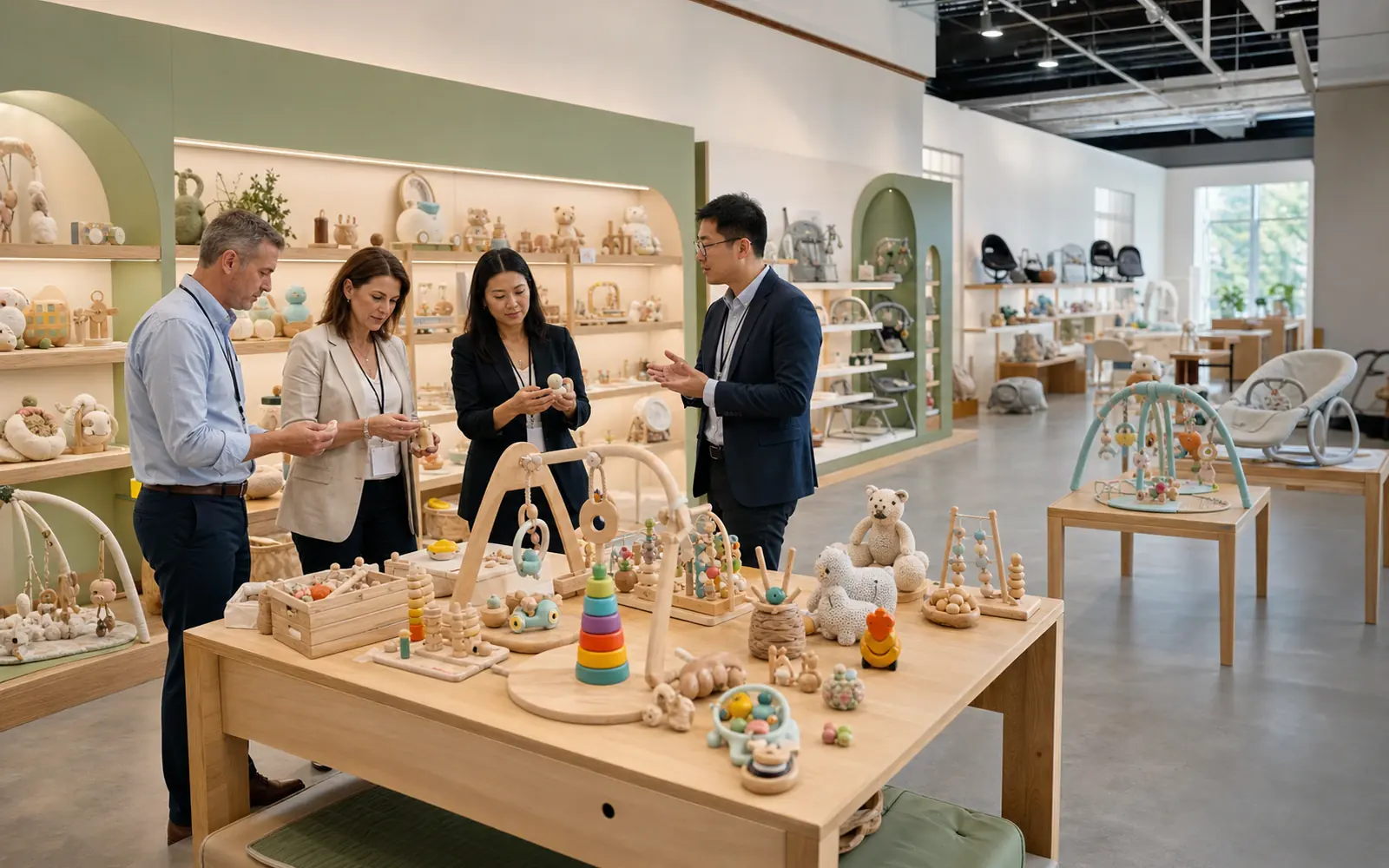
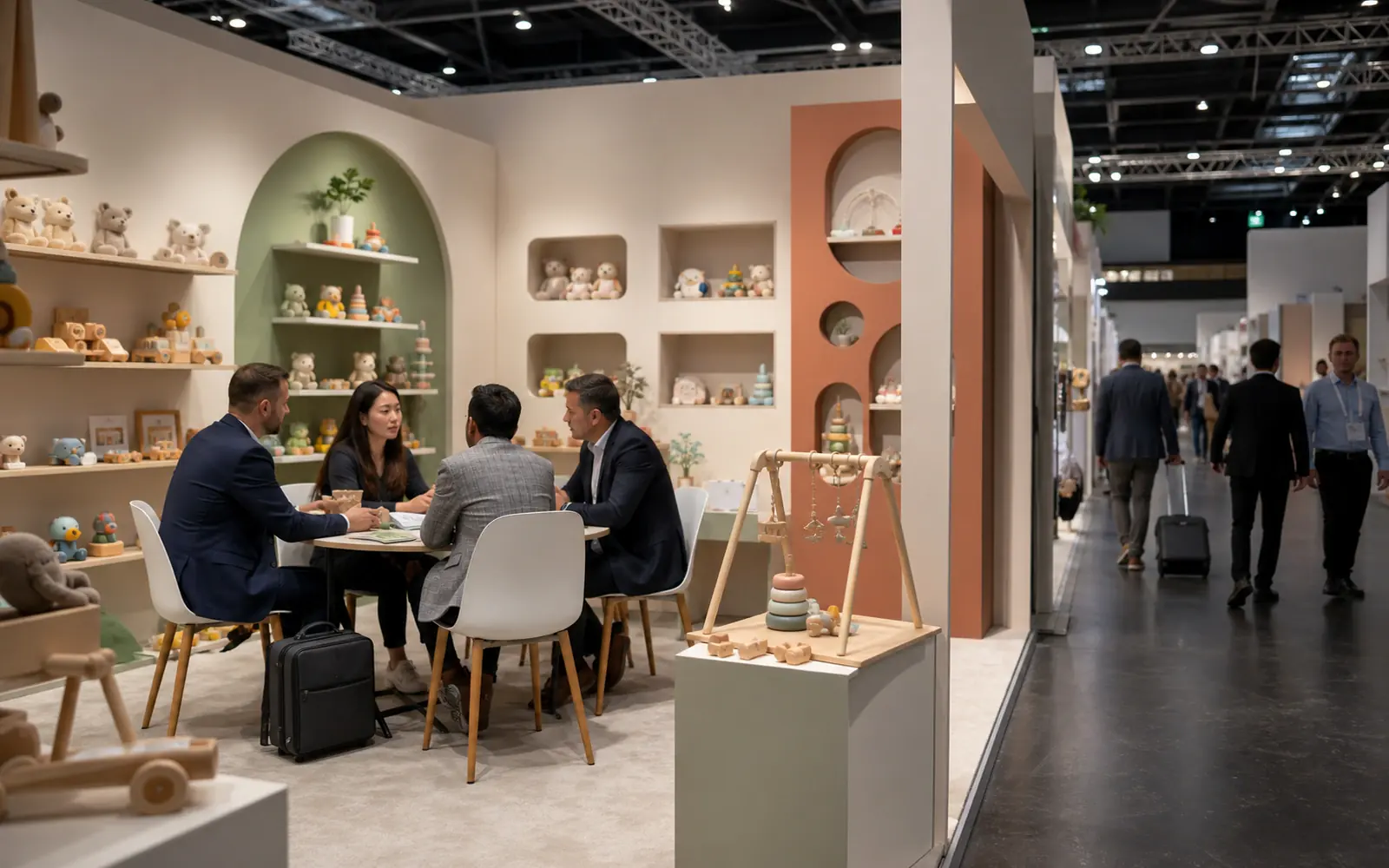
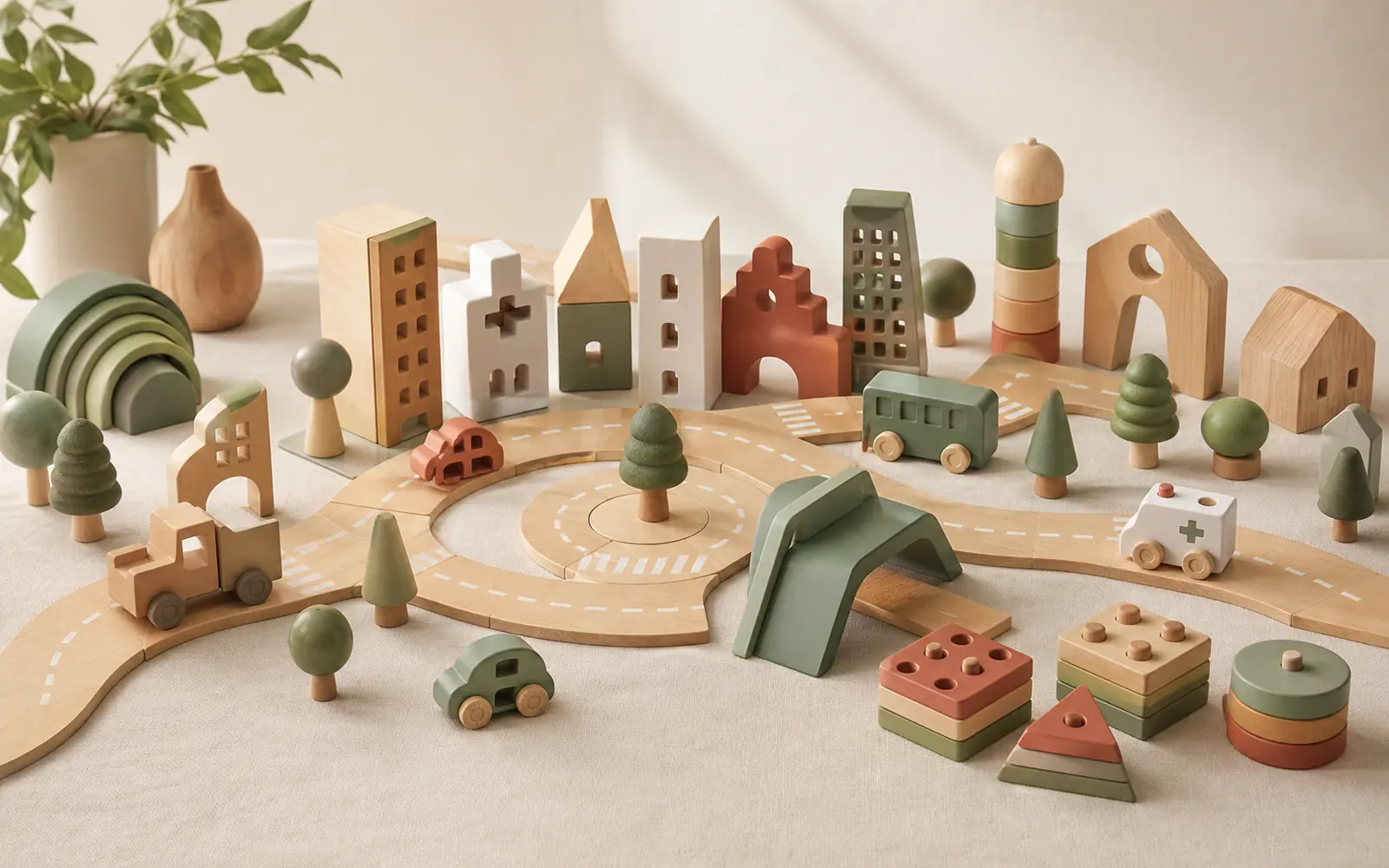
A showroom, trade conversation and generic city-play concept can help shape a range brief without implying a live SKU or client project.
FAQ
Answers are starting points; confirm final product and market requirements in the written quotation.
OEM work starts from a buyer-supplied reference or product direction; ODM can use an existing development path with agreed changes. The actual scope, tooling, packaging, MOQ and timing are confirmed per project.
Send the category, age band, reference image or sketch, target market, sales channel, quantity, logo, language, labeling, packaging and desired timing. Include any material, QC or document questions.
Retail-ready, gift, classroom, distributor and bulk packaging can be discussed. Artwork, labels, pack quantity, carton plan and market requirements must be approved for the selected project.
A 7–15 day sample reference may apply after the project is defined, but tooling, materials, revisions and approvals can change the schedule. Confirm the timing in writing.